Wondering whether staging is still worth it in Englewood? In a market where homes can sit for weeks and buyers often compare older homes with newer alternatives online, presentation can shape both interest and offers. If you want to sell with less guesswork, this guide will show you how to stage an Englewood home in a way that respects its character, fits today’s buyer expectations, and helps you prepare for the realities of listing locally. Let’s dive in.
Why staging matters in Englewood
Englewood has a housing mix that stands out for its age and character. City materials describe Englewood as a place with historic grace and charm alongside more modern low-rise condominiums, and a large share of homes were built before 1950. That means many sellers are not trying to erase original details. Instead, the goal is to present those details in a clean, current, and easy-to-understand way.
Local market snapshots also suggest that preparation still matters. Depending on the source and timeframe, homes in Englewood have been taking a meaningful amount of time to sell, even while sale-to-list ratios can remain strong. For you as a seller, that means staging is not just about decoration. It is part of pricing support, online appeal, and helping buyers picture themselves in the space.
What today’s buyers notice first
The strongest staging takeaway is simple: buyers want to visualize how a home lives. In the 2025 Profile of Home Staging, 83% of buyers’ agents said staging made it easier for buyers to see a property as a future home. Sellers’ agents also reported benefits, with 49% seeing reduced time on market and 29% reporting a 1% to 10% increase in the dollar value offered.
That same research also helps you focus your time and budget. Buyers’ agents ranked the living room as the most important room to stage, followed by the primary bedroom and kitchen. So if you are deciding where to start, begin with the rooms buyers tend to remember most.
Stage character, not clutter
For many Englewood homes, the best strategy is not a full style reset. Older trim, built-ins, windows, and other architectural details can be part of the appeal when they are visible and well maintained. The trick is to let those features stand out without surrounding them with too much furniture, too many accessories, or heavy window treatments.
Today’s design preferences also support that approach. Current buyer trends lean toward timeless and traditional design with modern elements, stronger connections to natural light, and spaces that feel functional rather than overfilled. In practice, that means your home should feel polished, bright, and flexible, not overly themed or crowded.
Start with the highest-impact basics
Before you buy anything new, take care of the fundamentals. National staging guidance consistently points to decluttering, whole-home cleaning, and curb appeal as top priorities. These steps are usually the fastest way to improve both in-person showings and listing photos.
Start with this short checklist:
- Remove excess furniture to improve flow
- Clear countertops, mantels, and shelves
- Deep clean floors, windows, kitchens, and baths
- Store personal photos and highly specific decor
- Replace burnt-out bulbs and improve lighting consistency
- Tidy the front walk, entry, and landscaping
These early steps matter because they make every later improvement work harder. A clean, edited home also photographs better, which is especially important since listing photos, video, physical staging, and virtual tours all play a role in how buyers shop.
Focus on the living room first
If your budget is limited, the living room is the first place to spend time. It is the top staging priority in buyer-agent feedback, and it often sets the tone for the rest of the showing. In many Englewood homes, it is also where original details can make the strongest first impression.
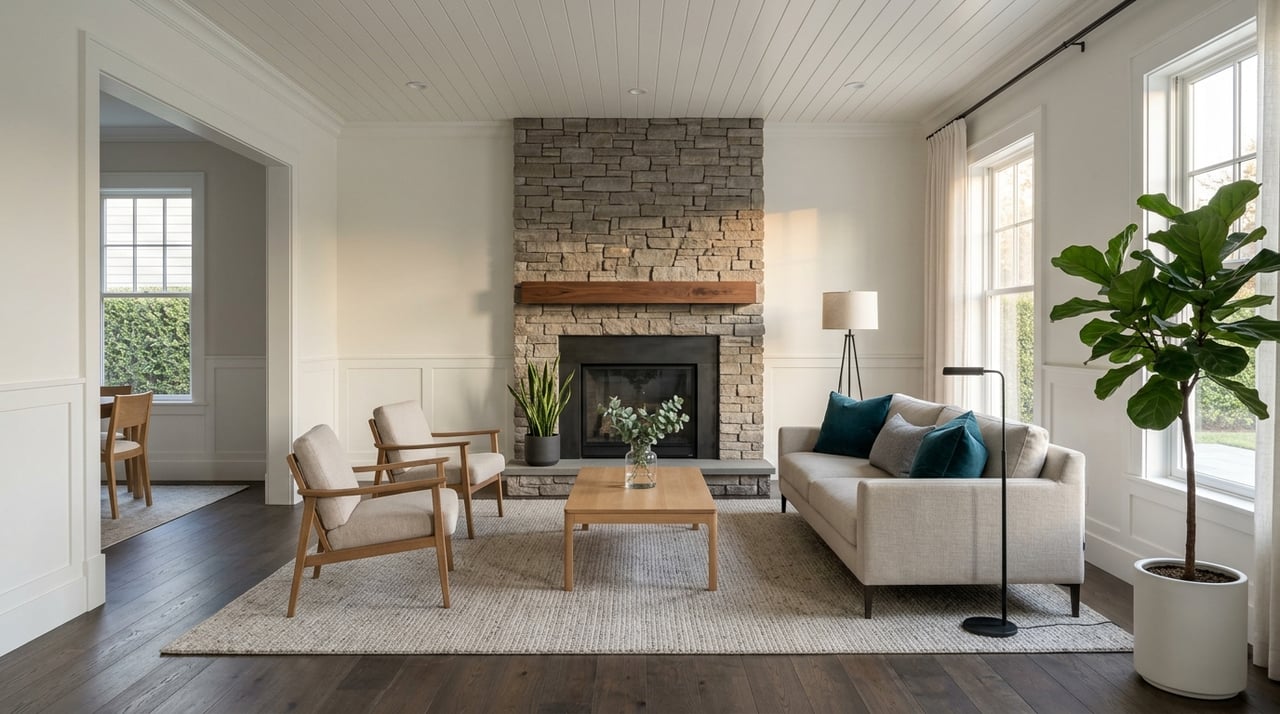
Arrange furniture to show scale and easy traffic flow. Keep windows open and unobstructed so natural light can do more of the work. If you have a fireplace, mantel, built-ins, or substantial trim, keep those areas simple so buyers notice the architecture instead of the accessories.
A few smart moves can go a long way:
- Use fewer, better-sized pieces of furniture
- Center the seating area so the room feels intentional
- Add a neutral rug if it helps define the space
- Limit decor to a few clean, modern accents
- Make sure lamps and overhead lighting create an even glow
Keep the kitchen bright and functional
You usually do not need a full kitchen renovation before listing. Buyers care about function, cleanliness, storage, and ease of use, and current design coverage points to expanding kitchen function as a major priority. That makes presentation more important than perfection in many cases.
Clear the counters as much as possible. Leave only a few items that suggest function, such as a coffee setup or a simple bowl on the island. If lighting is dim, update bulbs and make sure every fixture works well so the room feels bright and easy to maintain.
In older homes, small updates often do enough:
- Remove magnets, notes, and extra items from the refrigerator
- Organize open shelving or glass-front cabinets
- Touch up worn paint where appropriate
- Clean grout, caulk, and appliance fronts thoroughly
- Add one or two fresh, understated accessories
Make the primary bedroom feel calm
The primary bedroom ranks just behind the living room in staging importance. Buyers tend to respond well to a room that feels restful, open, and lightly furnished. That does not mean the room has to feel empty. It should simply feel easy to step into.
Use neutral bedding and keep patterns quiet. If the room is tight, remove extra chairs, storage pieces, or oversized nightstands that make it feel crowded. Balanced lamps, clear surfaces, and minimal personal items help the room read as comfortable and functional.
Don’t overlook bathrooms
Bathrooms do not need to be fully renovated to support a sale, but they should look spotless and repaired. Buyers notice when these rooms feel tired, especially if they are comparing several homes in one day. Cleanliness matters more than styling here.
Focus on condition and simplicity. Fresh towels, clear counters, working fixtures, and clean mirrors can make a bigger difference than expensive decor. If there are minor issues like loose hardware, stained caulk, or a dripping faucet, fix them before photos and showings.
Show flexible space clearly
If you have a spare bedroom, den, finished attic nook, or other extra area, give it a clear purpose. Multifunctional rooms are especially useful to buyers who want flexibility for work, hobbies, or guests. A vague empty room often feels smaller and less valuable than a room with a simple, thoughtful setup.
A small desk, chair, lamp, and clean backdrop can help a buyer understand the space right away. If the room can serve more than one purpose, keep the layout simple enough that buyers can imagine their own version of it.
Improve curb appeal without overdoing it
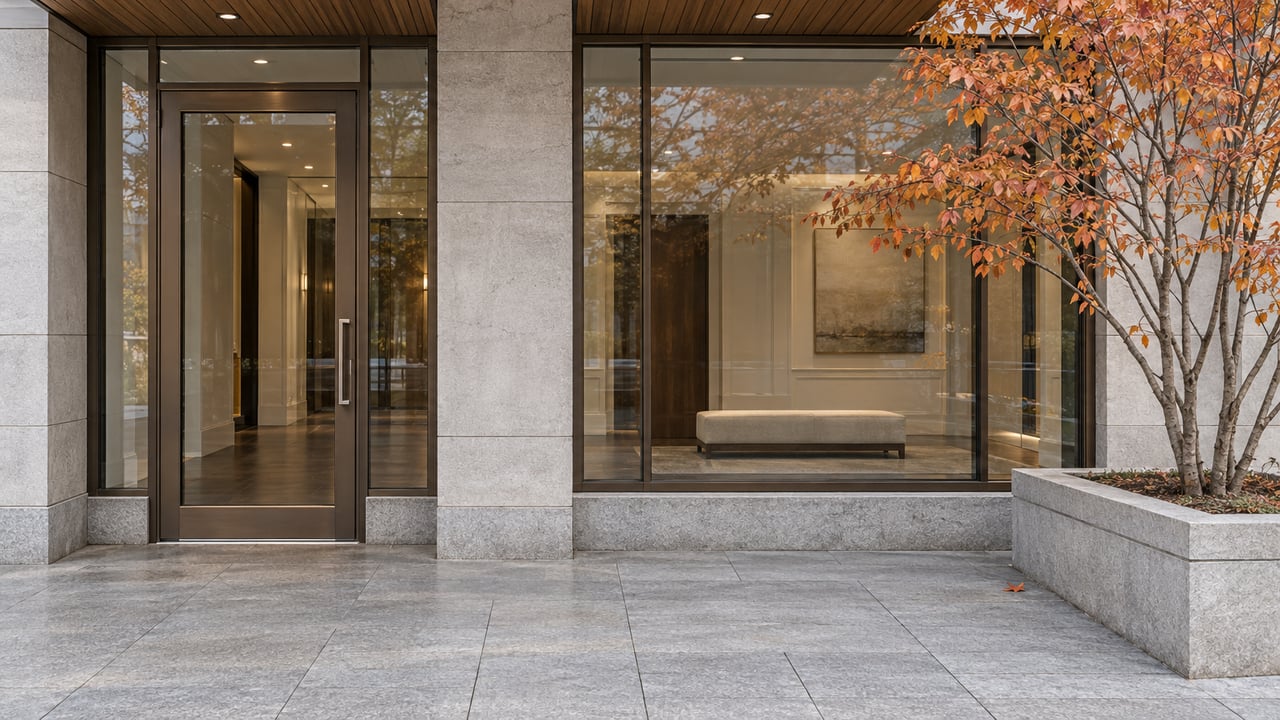
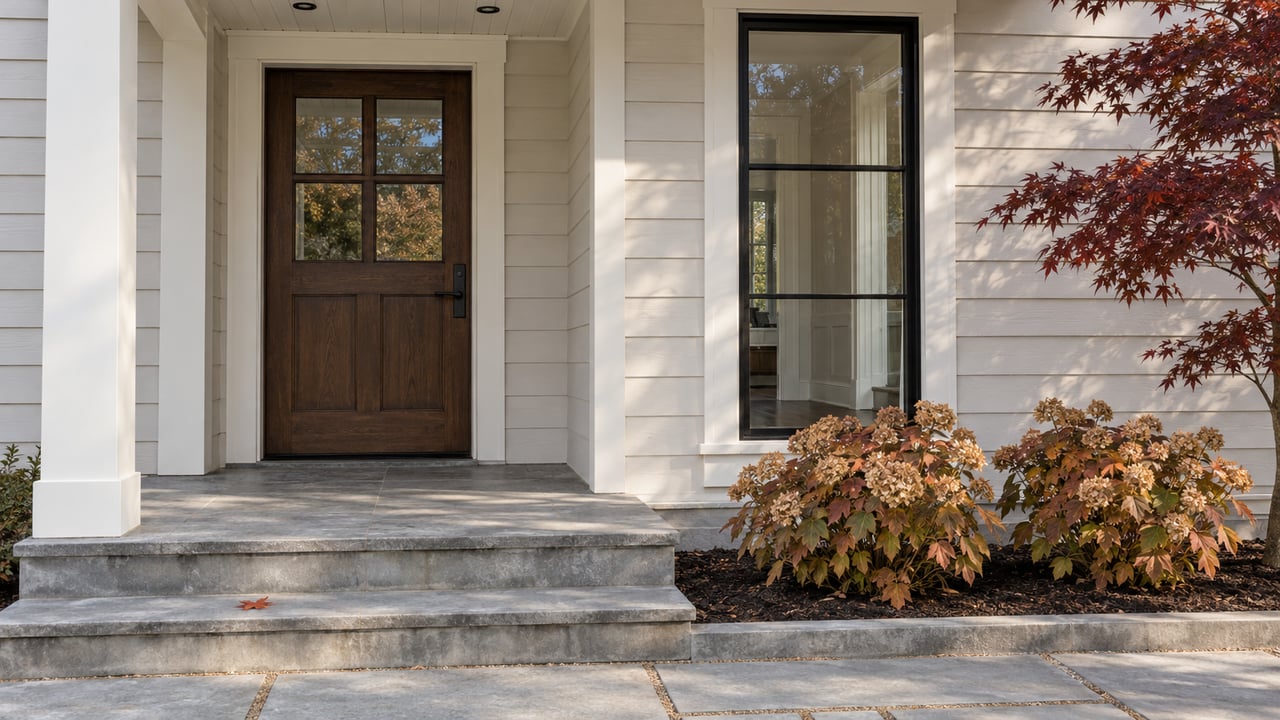
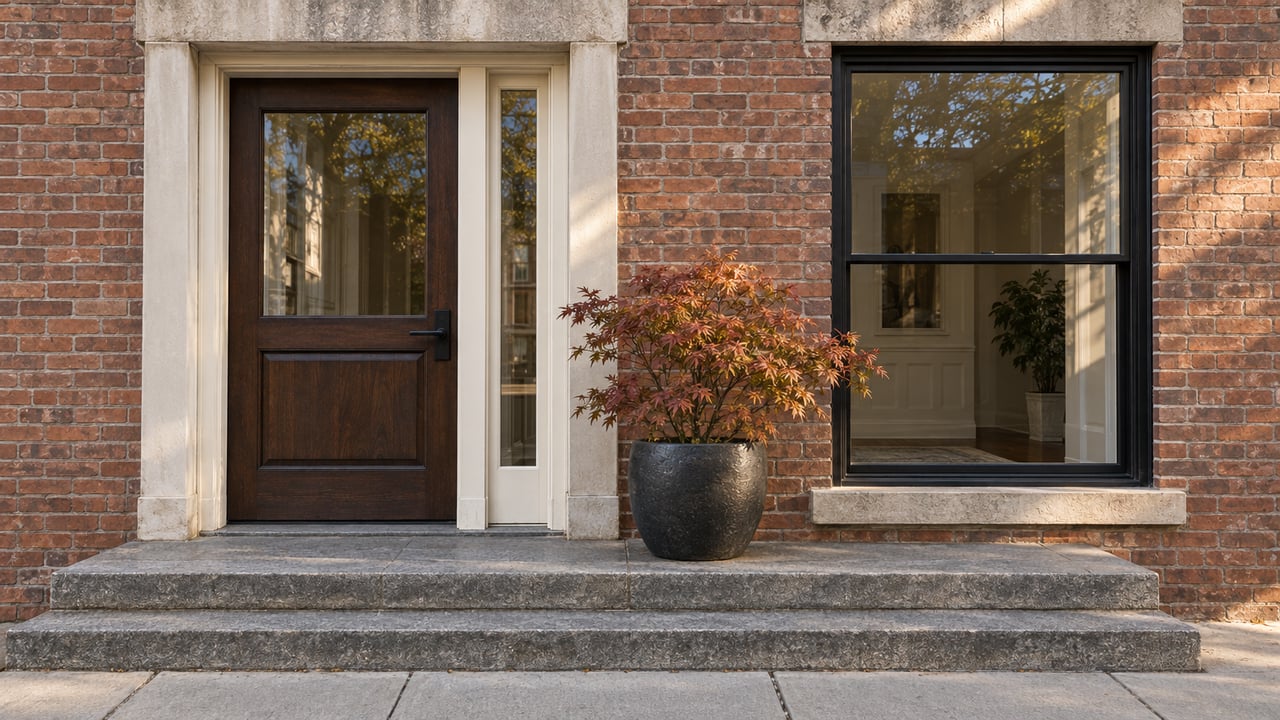
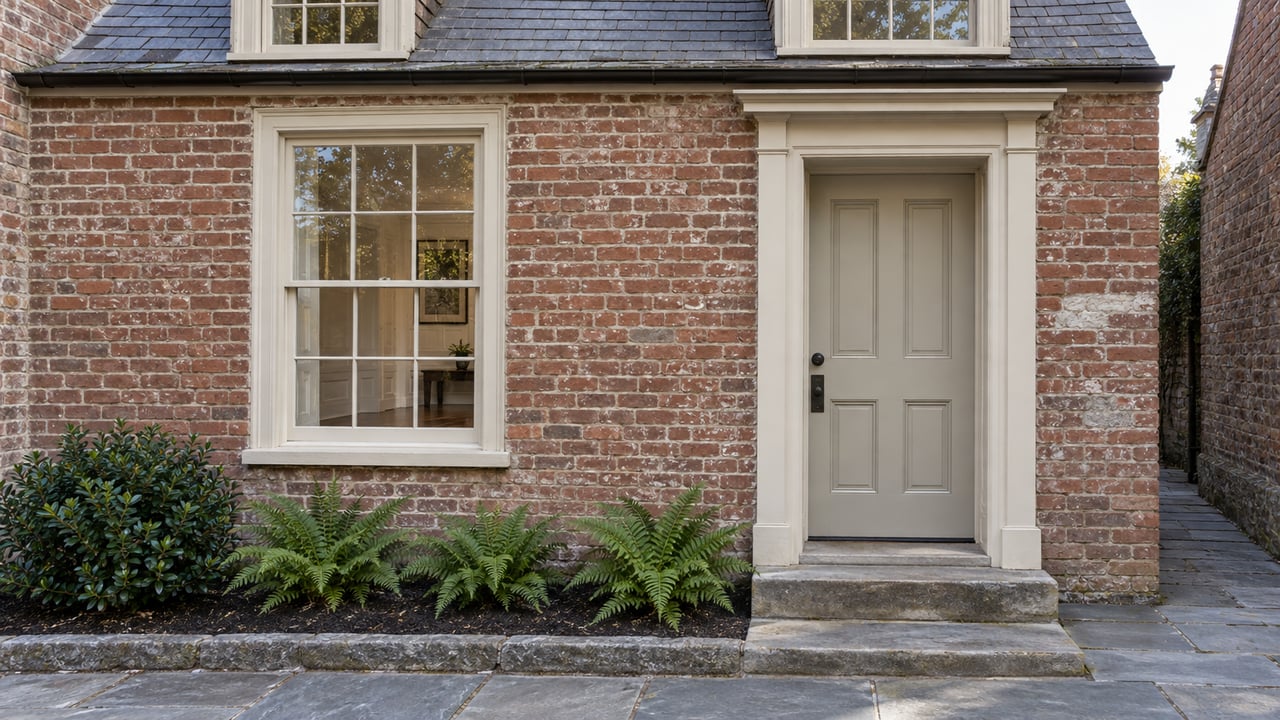
First impressions start before buyers walk in. In Englewood, exterior presentation often works best when it supports the home’s architecture instead of competing with it. A clean front walk, visible entry, healthy landscaping, and simple lighting are usually more effective than heavy seasonal decoration.
This is also one of the smartest places to spend modestly. Remodeling data shows strong cost recovery potential for a new steel front door and a new fiberglass front door. Even if you are not replacing the door, cleaning, repainting, and updating the hardware can sharpen the entrance and improve photos.
Choose budget updates carefully
If you are debating where to spend before listing, think visible, practical, and low-drama. Remodeling guidance points to painting the entire home, painting one interior room, and installing new roofing among the most commonly recommended pre-listing projects. In many cases, the best return comes from targeted improvements buyers can immediately see.
A professional staging service had a reported median cost of $1,500 in 2025, while agent-assisted staging was lower at $500. That is useful context if you are comparing your options. Often, a disciplined plan that combines editing, cleaning, a few repairs, and selective staging can do more than broad spending without a clear strategy.
Watch for older-home issues in Englewood
Because so much of Englewood’s housing stock is older, cosmetic prep can overlap with safety and compliance. If your home was built before 1978, renovation, repair, and painting work can create lead dust. That means sanding, scraping, or repainting should be approached carefully and may require lead-safe work practices and certified contractors.
This is one area where a rushed pre-listing refresh can create problems instead of solving them. If your home is older, it is worth planning improvements with extra care so you avoid unnecessary delays or risks.
Check local rules before listing
In Englewood, staging prep should also include practical city requirements. The city requires a Certificate of Continued Occupancy before transfer. The inspection includes basics like safe walls, floors, ceilings, stairs, and rails, along with smoke detectors on each level, a carbon monoxide detector within 10 feet of bedrooms, an ABC fire extinguisher near the kitchen, and the absence of illegal apartments or unpermitted work.
That means pre-listing prep is not only visual. It is also about making sure the home is ready from a condition and compliance standpoint. Taking care of these items early can help your sale move more smoothly.
If your property has distinctive exterior features or may fall under historic review considerations, check before making major exterior changes. Englewood’s planning guidance supports home improvements and remodeling while also emphasizing compatibility for historic properties and districts. In plain terms, preserve what adds value, and confirm the rules before replacing it.
A smart Englewood staging plan
For most sellers, the best plan is straightforward. Showcase the home’s character, modernize the presentation, and fix what feels distracting or deferred. You do not need to strip the home of personality, but you do need to remove obstacles that keep buyers from seeing its value.
That is where practical advice can make a real difference. If you are selling in Englewood, it helps to work with someone who can look at your home through both a marketing lens and a construction lens. The right plan can help you avoid overspending, focus on what buyers notice, and enter the market with more confidence.
If you want a practical plan for staging, pricing, and pre-listing prep in Englewood, Christopher Falborn can help you identify the updates that matter most and get your home ready for today’s buyers.
FAQs
What should I stage first in an Englewood home?
- Start with decluttering, whole-home cleaning, and curb appeal, then focus on the living room, primary bedroom, and kitchen.
Do I need to renovate before listing an Englewood home?
- Usually not. Smaller updates like paint, front-door improvements, cleaning, repairs, and targeted staging often make more sense than a full renovation.
How much does home staging usually cost?
- NAR’s 2025 data reported a median cost of $1,500 for professional staging and $500 when the seller’s agent handled staging.
What local issues should Englewood sellers check before listing?
- Review Certificate of Continued Occupancy requirements, plan carefully for lead-safe work in older homes, and confirm whether exterior changes could trigger historic review considerations.
Why is staging important for older Englewood homes?
- Many Englewood homes have historic character, and staging helps buyers see that character as an asset by making the home feel clean, current, and easy to understand.