Buying your first home in Hoboken can feel exciting and overwhelming at the same time. You might be comparing condos to townhomes, wondering how HOA fees work, or trying to map the commute to Midtown. You want a place that fits your life today and holds value tomorrow. In this guide, you’ll learn how Hoboken’s condo and townhome market works, how it differs from NYC, and the smart steps to buy with confidence. Let’s dive in.
Why Hoboken works for first-time buyers
Hoboken is one of Hudson County’s premium markets. Typical prices often land in the high 700s to high 800s, with waterfront and high-amenity buildings trading at a premium. Listings that are well priced can still move quickly, so being prepared matters.
Commute options are a major draw. The PATH, NJ Transit, buses, Hudson-Bergen Light Rail, and ferries link you to Manhattan. Some routes on the NY Waterway offer short crossings that riders prize for speed and comfort, which is why proximity to a terminal or PATH station often boosts pricing. You can explore ferry benefits on the NY Waterway site’s overview of commuter life at this page.
Condo vs townhome vs co-op: what’s different here
Condominiums in Hoboken
Most attached homes here are condominiums. You own your unit and a share of the common elements and pay a monthly HOA fee. Your monthly budget usually includes mortgage, property taxes paid directly, homeowners insurance for the interior, and the HOA dues.
Townhomes and fee-simple rowhouses
Townhomes can be fee-simple or part of a condo association. Fee-simple often means you handle more exterior maintenance directly. Condo townhomes fall under an HOA that covers exterior items and shared areas. Always check the listing’s ownership type because it affects rules, maintenance, insurance, and financing.
Co-ops compared with NYC
Co-ops do exist in the region, but they are far less common in Hoboken than in New York City. If you are moving from a NYC co-op mindset, expect differences. Condo buildings do not use co-op board approvals or blanket mortgages. Your monthly costs are structured differently too since taxes are not wrapped into a single maintenance payment the way they often are in co-ops.
Your monthly cost picture
When you compare a Hoboken condo to a NYC co-op, look at apples to apples. In Hoboken, your monthly number is mortgage plus property taxes plus HOA dues plus interior insurance. In a NYC co-op, you may see one maintenance payment that includes building expenses and underlying property taxes. Lining up the true monthly total on both sides helps you make a clean decision.
The building types you will see
Brownstones and rowhouse conversions
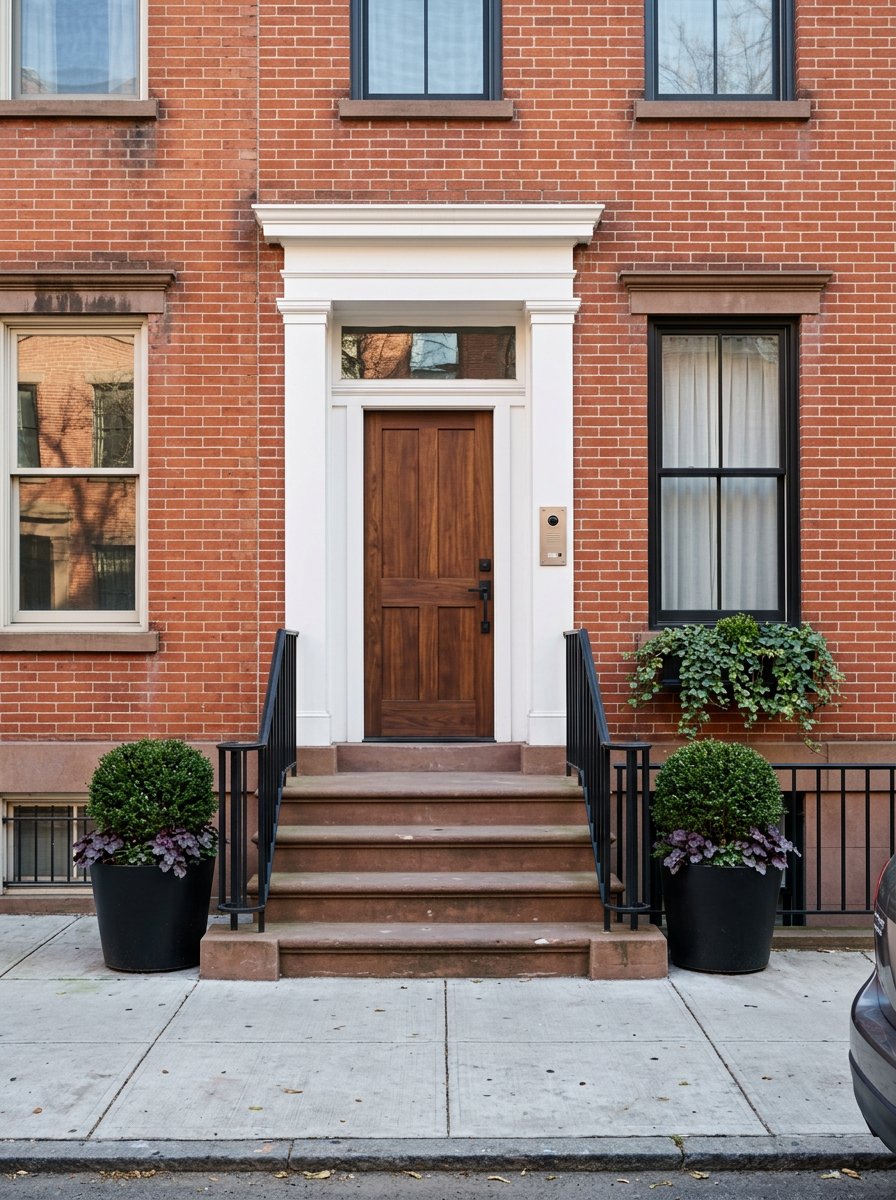
Many classic brownstones have been converted into small condo associations. These walk-ups are common entry points for first-time buyers. Dues can be lower than a full-service building, but the small scale means reserves and special assessments matter a lot.
Mid-rise elevator buildings
You will find many 2000s and 2010s mid-rise buildings with elevators and modest amenities. Dues are usually in the mid-hundreds per month, influenced by whether utilities, parking, or a part-time super are included.
Waterfront and full-service communities
Master-planned waterfront complexes and luxury high-rises add doormen, gyms, pools, and on-site staff. HOA dues commonly range from about 600 to well over 1,500 per month depending on unit size, amenities, included utilities, and parking. These buildings often command higher prices per square foot.
Multi-family conversions
Two-to-four unit buildings and larger multi-families have also been condo-converted over time. These can vary widely in construction quality, reserve planning, and rules. Be diligent with the HOA’s documents and building history.
HOA fees explained
Your HOA dues fund shared services and the building’s long-term health. Common line items include the building’s master insurance, cleaning and maintenance of common areas, landscaping, elevator service, amenities, management-company fees, and reserves. Some buildings cover heat and hot water or water service. What is included versus excluded creates big differences across listings, even if the monthly number looks similar.
Before you commit, ask for key documents:
- Current operating budget and recent financial statements to gauge cash flow and reserves.
- Reserve study and funding policy to understand upcoming capital needs.
- Meeting minutes for the last 6 to 12 months to spot special assessments, litigation, or major projects.
- Insurance certificates, including master policy deductibles.
- Rules and restrictions, such as rental caps, short-term rental policies, pet rules, and subletting.
- Occupancy and rental breakdown. High investor concentrations or delinquent dues can affect financing and stability.
Pro tip: Always compare two listings line by line. A lower fee that excludes key services can cost more out of pocket than a higher fee that bundles utilities and amenities.
Inspections and building due diligence
A standard condo inspection focuses on the unit’s interior systems and commonly costs about 200 to 500 dollars depending on size and scope. For a general look at inspection pricing across the country, you can review this inspection cost guide. Inspections usually do not include the roof or structure beyond what is visible, so plan add-ons if there are red flags.
Consider targeted add-ons when needed:
- Sewer lateral camera, if the building or plumbing age suggests risk.
- Mold or moisture evaluation if you see staining, musty odors, or prior leaks.
- HVAC evaluation for older equipment.
- Structural engineer consult if there are settlement cracks or movement.
If you are buying near the waterfront or at a low elevation, verify FEMA flood zone status and any flood-mitigation work completed after past storms. Lenders may require flood insurance in certain zones. For a helpful overview of flood and inspection FAQs, see this inspection FAQ resource.
Commute, micro-locations, and price
Hoboken’s value is tied closely to commute time. Shorter walks to the PATH or Hoboken Terminal usually translate to higher values. Ferry access can be a premium as well since some routes are very fast and comfortable for Midtown or downtown commutes, as noted on NY Waterway’s overview. Units with Manhattan skyline views and direct waterfront proximity often trade higher per square foot than west-side walk-ups.
When you compare homes, map out your weekday routine. A 5-minute walk versus a 15-minute walk to transit can reshape your daily life and resale appeal.
Financing and approvals that matter
Condo financing has building-level rules. Some loan programs require minimum owner-occupancy ratios, sufficient reserves, limits on commercial space, and low delinquency rates. If you plan to use FHA or certain low-down-payment programs, verify project approval early or explore single-unit (spot) approval options. For a clear explainer on FHA condo approvals, review this FHA condominium approval guide.
Ask your lender how the building’s numbers will be reviewed. A mortgage officer who understands condo underwriting can save you time and stress.
Timeline and your buying team
A realistic Hoboken timeline looks like this:
- Pre-approval and lender selection. Expect days to a couple of weeks. A current pre-approval helps you compete.
- Offer and negotiation. Often hours to a few days in a competitive setting.
- Attorney review and signed contract. New Jersey uses an attorney review period. If the attorneys do not disapprove within the review window, the contract becomes binding. Plan attorney involvement early. For a general primer on NJ practice, see this NJ real estate practice overview.
- Inspection and condo document review. Usually 7 to 14 days depending on the contract.
- Mortgage underwriting, appraisal, and title work. Often 3 to 6 weeks depending on condo approvals and documentation.
- Closing. Many transactions close within 30 to 60 days from contract in normal conditions.
Build a capable team:
- Local agent who understands building histories, HOA culture, and micro-pricing.
- Experienced NJ real-estate attorney for contract and condo document review.
- Home inspector familiar with urban condos and add-on evaluations.
- Mortgage officer with condo underwriting expertise.
Closing costs and New Jersey transfer fees
New Jersey charges a graduated Realty Transfer Fee that is calculated per tier of price. Sellers typically pay this fee, and for higher-priced transactions there is an additional graduated charge on homes over 1 million dollars. These fees are separate from title insurance, lender charges, and local recording costs that buyers commonly pay. For an overview of the current fee structure, consult this summary of the New Jersey Realty Transfer Fee. If you plan to offer near or above seven figures, ask your attorney to estimate both sides’ closing costs upfront so surprises do not hit later.
Quick first-time buyer checklist for Hoboken
- Confirm ownership type. Is it a condo, a fee-simple townhome, or a condo townhome.
- Verify HOA inclusions. Heat, hot water, water, parking, amenities, and staff can all change the monthly math.
- Review HOA health. Budget, reserves, minutes, insurance, delinquency rates, and any litigation.
- Map the commute. Distance to PATH, ferry, or Hoboken Terminal and typical travel times.
- Check flood risk. FEMA zone and insurance requirements if near the waterfront.
- Align financing with the building. If using FHA or low-down options, confirm project approval early.
- Budget inspections. Plan a standard interior inspection plus targeted add-ons if conditions warrant.
Buying in Hoboken is as much about the building as it is about the unit. When you understand ownership types, HOA health, commute premiums, and financing rules, you can move fast and still protect yourself. If you want a step-by-step plan, neighborhood guidance, and construction-savvy insight on inspections and renovations, connect with Christopher Falborn for a focused, first-time buyer consult.
FAQs
What makes buying in Hoboken different from NYC co-ops?
- Most Hoboken homes are condos, so you pay property taxes directly and an HOA for common areas, while many NYC first-timers consider co-ops where maintenance often includes building taxes and board rules are different.
How much are typical HOA fees in Hoboken condos?
- Fees vary by building, from low hundreds per month in small walk-ups to about 600 to well over 1,500 per month in full-service waterfront buildings, depending on amenities and what utilities are included.
Do I need flood insurance for a Hoboken condo near the waterfront?
- Lenders may require flood insurance if the building is in a Special Flood Hazard Area, so confirm FEMA flood zone status and ask the HOA about any mitigation work after past storms.
How long does a Hoboken condo purchase take from offer to close?
- Many close in 30 to 60 days after attorney review, inspection and document review, appraisal, underwriting, and title work, with timing influenced by condo approvals and document readiness.
What inspections should I order for a Hoboken condo or townhome?
- Start with a standard interior condo inspection, then add items like sewer camera, mold or moisture checks, HVAC evaluation, or a structural consult if conditions suggest it.
Does New Jersey’s Realty Transfer Fee affect me as a buyer?
- The Realty Transfer Fee is typically paid by the seller, but buyers still have closing costs like title insurance, lender fees, and recording charges, so review a full estimate with your attorney early.