Thinking about buying in Hoboken but unsure whether a condo or a co-op fits you best? You are not alone. Both options can offer great value, but they work very differently, and those differences affect your financing, monthly costs, timeline, and flexibility to rent or renovate. In this guide, you will learn how each option works in New Jersey, what to expect in Hoboken buildings, and how to choose the right fit for your goals. Let’s dive in.
Condo and co-op basics in Hoboken
What you own
- Condo: You receive a deed to your specific unit and an undivided interest in the building’s common areas. Your ownership is real property recorded in your name.
- Co-op: You buy shares in a corporation that owns the building and receive a proprietary lease that lets you occupy a specific unit. You do not hold real estate title to the unit.
These differences shape everything that follows, from your mortgage type to your monthly bills and your closing process.
Who runs the building
- Condo: A homeowners association, guided by a master deed or declaration and bylaws, manages common areas, rules, and budgets. The board collects HOA fees, plans reserves, and handles assessments.
- Co-op: A corporate board, guided by corporate bylaws and a proprietary lease, manages building operations. Monthly maintenance payments cover building-level costs like property taxes, staffing, insurance, and any underlying mortgage on the building.
In practice, co-op boards often have tighter control over occupancy rules, subletting, and buyer approvals. Condo associations set community standards and budgets, but they typically do not approve individual buyers the same way a co-op board does.
How taxes are billed
- Condo owners receive their own property tax bill for the unit.
- Co-op shareholders do not receive a separate property tax bill. The corporation pays the building’s taxes, which are included in your monthly maintenance.
Understanding where taxes show up helps you compare apples to apples when you look at monthly costs.
Financing and monthly costs
Down payments and reserves
- Condos: Financing works like other real estate. You may use conventional loans, and sometimes FHA or VA if the building is approved. Down payment flexibility is higher, though buyers in competitive Hoboken markets often put 10 to 20 percent down depending on the lender and program.
- Co-ops: Many boards require stronger buyer equity and liquidity. It is common to see minimum down payments of 20 to 25 percent or more, plus proof of reserves and a lower debt-to-income ratio. Actual requirements vary by building.
If you plan to buy a co-op, expect the board to review your financials in detail and to ask for evidence of post-closing liquidity.
Monthly HOA vs maintenance
- Condo HOA fees usually cover building insurance for common areas, exterior and common maintenance, management fees, and reserves. You pay your unit’s property taxes separately. Amenities like a gym or doorman can raise HOA fees.
- Co-op maintenance usually includes the building’s property tax bill, building insurance, staff, utilities for common areas, reserves, and sometimes an underlying building mortgage. Maintenance often looks higher, but it may include costs that condo owners pay separately.
When you compare buildings, break the monthly number into parts. Note what the fee includes, whether there is any underlying building mortgage, and what you still pay on your own.
Taxes, flip taxes, and other fees
- Flip taxes are more common in co-ops, though some condos use them. They are typically a fee paid on resale and can affect your net proceeds or your closing costs depending on who pays.
- Expect application fees, move-in and move-out fees, and legal fees. Co-ops may also require a deposit for the move process.
Your agent and attorney can help you estimate these items so you can budget for the full picture.
FHA and VA loans
- Condos: FHA and VA loans are possible when the condo project is approved for the program. Without project approval, you can still use many conventional loans.
- Co-ops: Many co-op corporations do not accept FHA or VA financing. Co-op loans are often specialized share loans. Lenders will underwrite both you and the building’s financials.
If you plan to use FHA or VA, verify building eligibility early so you do not waste time on a property that does not fit your financing.
Board approvals and timelines
Condo timeline and approvals
Typical flow: offer accepted, attorney and title review, lender underwriting, and a condo resale certificate or estoppel from the association that outlines budgets, reserves, rules, and any pending assessments. There is usually no board interview. Many condos close in about 30 to 60 days, depending on your lender and the seller’s timing.
Some associations have a right of first refusal or a light screening process, but it is not the same as a formal buyer approval authority.
Co-op board package and interview
Co-op deals follow a different path. After your offer is accepted, you assemble a complete board package with financial statements, tax returns, bank statements, employment verification, reference letters, and building-specific forms. The board reviews your package, then schedules an interview and votes to approve or reject. Closing happens after board approval and share transfer paperwork.
Because of that process, co-op closings often take 45 to 90 days or more. The timing depends on how quickly you assemble the package, the board’s schedule, and any corporate requirements for approval.
Hoboken realities: buildings, transit, parking
Where condos and co-ops are found
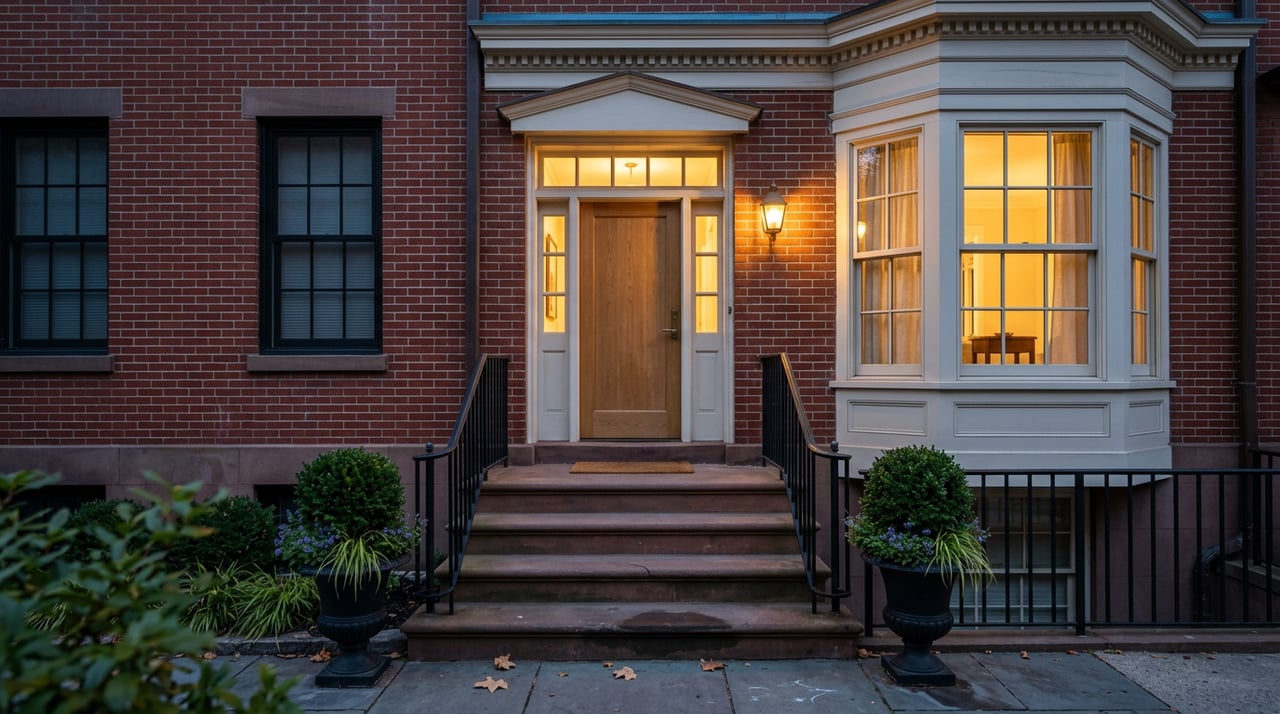
Hoboken has a mix of building types. Many older low-rise and brownstone conversions are co-ops or small associations with simpler amenity sets and more conservative house rules. Newer mid-rise and high-rise buildings near the waterfront, PATH, and Hoboken Terminal are more often condos with full amenity packages.
You will also find boutique condos and walk-up co-ops throughout the city. Your day-to-day lifestyle and plans for renting or renovating should guide your building type search.
Amenities and services
Condo buildings in Hoboken often offer doorman or concierge service, fitness centers, roof decks, package rooms, bike storage, and sometimes on-site parking. These services increase HOA fees but add convenience that can support long-term value.
Co-op buildings may offer a superintendent, laundry facilities, storage, and limited parking. Monthly maintenance often covers more building utilities and taxes, which is why it can look higher at first glance.
Parking and commuting
Proximity to PATH, Hoboken Terminal, and bus lines drives demand and can influence pricing. On-site parking is scarce and sometimes sold or leased separately, even in newer condo buildings. Review whether any parking or storage transfers with the unit and what the ongoing cost may be.
If you commute to New York, a location near transit can be worth a higher monthly fee for many buyers. Weigh that trade-off against your total monthly budget and your timeline.
How to choose the right fit
Choose a condo if you want
- More flexibility to rent your unit, subject to association rules
- A faster and more predictable closing process
- Broader financing options, including potential FHA or VA when approved
- Amenity-rich buildings near transit or the waterfront
Choose a co-op if you want
- A potentially lower purchase price in some buildings
- A community-focused structure with closer board oversight
- Monthly maintenance that may bundle taxes and some utilities
- Stronger control of who lives in the building from the board’s perspective
Your decision comes down to flexibility, timeline, and control. If you value rental options and speed, lean condo. If you value tighter community rules and are comfortable with board approvals, a co-op could be a fit.
Buyer checklist: documents to review
Ask your agent and attorney to help you collect and review the following.
- For both condos and co-ops:
- Seller’s property disclosure and recent utility bills
- Current and prior year budgets and reserve studies, if available
- Minutes from the last 6 to 12 board or association meetings
- Insurance certificates for the building
- Any pending or planned assessments and litigation status
- Certificate of occupancy or applicable municipal documentation
- Condo-specific:
- Estoppel or resale certificate from the association
- Master deed or declaration, bylaws, and rules
- Details on parking or storage that transfer with the unit
- Co-op-specific:
- Proprietary lease, corporate bylaws, and house rules
- Underlying building mortgage details and maintenance breakdown
- Share certificate template and board application instructions
- Sublet policy, allowed timelines, and interview requirements
This paperwork shows the building’s financial health, rule set, and any risks that could affect your budget or resale.
Steps to avoid surprises
- Get preapproved early, and if you are considering co-ops, speak with lenders that offer co-op share loans.
- For co-ops, start assembling your board package as soon as you go under contract. Ask the managing agent for the exact checklist.
- Review meeting minutes for talk of façade work, roof projects, elevator upgrades, flood mitigation, or other capital items that could lead to assessments.
- Verify whether the condo is FHA or VA approved if you plan to use those programs.
- Confirm all move-in rules, fees, deposits, and scheduling policies so you can plan your timeline.
A little preparation goes a long way in Hoboken’s fast-moving market.
Final thoughts
Both condos and co-ops can be smart buys in Hoboken. The right choice depends on your financing, your need for flexibility, and your comfort with board oversight. If you are a commuter, you may decide that a location near PATH is worth higher monthly costs. If you plan to stay long term and prefer a tight-knit building culture, a co-op may feel right.
You do not have to make the decision alone. If you want pragmatic, local guidance that blends market knowledge with construction insight, reach out to Christopher Falborn. Let’s find the building and ownership structure that fits your life and budget.
FAQs
What is the main difference between a condo and a co-op in Hoboken?
- A condo gives you a deed to your unit, while a co-op gives you shares in a corporation plus a proprietary lease to occupy a specific unit.
How do financing and down payments differ for condos vs co-ops?
- Condos allow broader loan options and sometimes lower down payments, while many co-ops require at least 20 to 25 percent down and proof of post-closing reserves.
What monthly costs should I expect for Hoboken condos and co-ops?
- Condo HOA fees cover common areas and reserves, with separate property taxes. Co-op maintenance often looks higher because it includes building taxes, staffing, and sometimes an underlying mortgage.
How long does it take to close on a condo vs a co-op in Hoboken?
- Many condos close in about 30 to 60 days. Co-ops often take 45 to 90 days or more due to board packages, interviews, and corporate approvals.
Can I rent out my Hoboken unit if it is a condo or a co-op?
- Condos often allow rentals subject to association rules. Co-ops commonly restrict or limit subletting and may require board approval or waiting periods.
What documents should I review before buying a condo or co-op in Hoboken?
- Review budgets, reserve studies, meeting minutes, insurance certificates, assessments, litigation status, and the key governing documents specific to condos or co-ops.