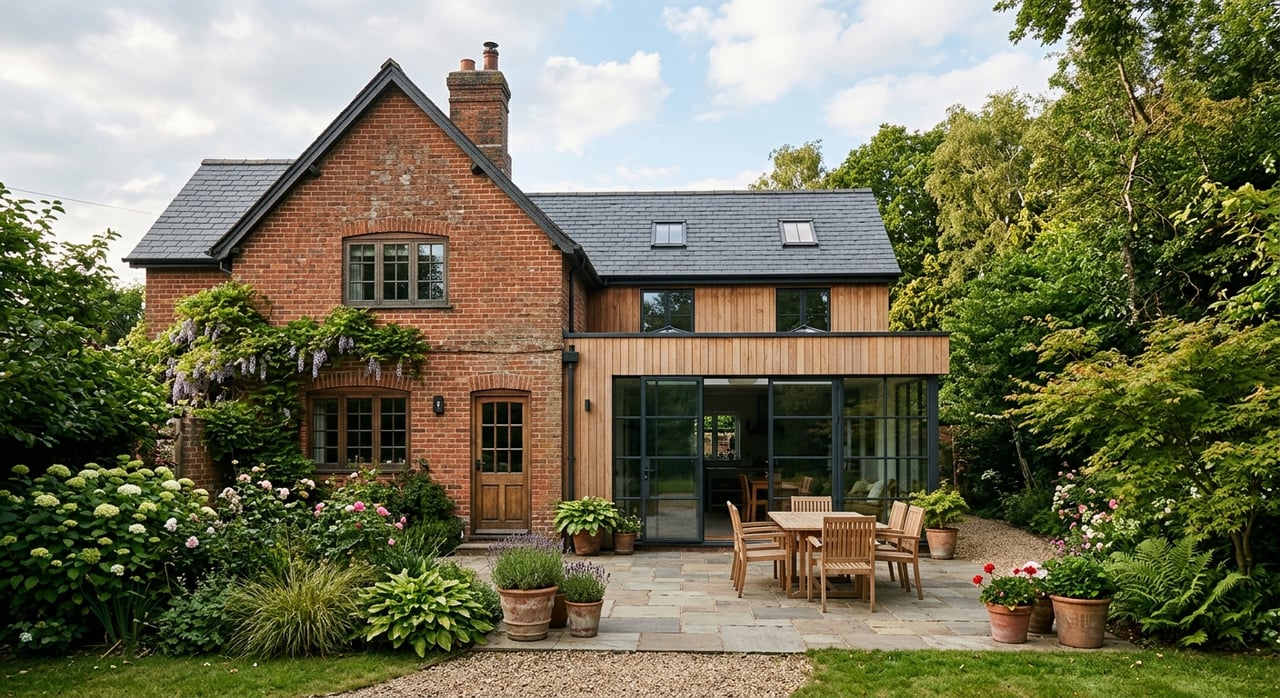
If you are house hunting in Englewood, one question can shape your whole search: do you want the charm of an older home or the easier starting point of newer construction? In this market, that is not just a style preference. It can affect your budget, your maintenance plan, and how much due diligence you need before closing. This guide will help you compare both paths in a practical way so you can make a smarter move with more confidence. Let’s dive in.
Why this choice matters in Englewood
Englewood is a built-out city with limited vacant land, which means brand-new homes usually come from infill projects or redevelopment rather than large new subdivisions. The city’s housing mix includes single-family homes, two-family homes, townhouses, and multifamily apartments, so buyers often see a wide range of property types in a relatively compact area.
The age of the housing stock makes the old-versus-new conversation especially important here. According to the city’s housing data, 52.6% of Englewood homes were built before 1960. The same data shows no units built in 2020 or later and only 6.3% built from 2010 to 2019, which helps explain why older homes remain such a major part of the local inventory.
What older Englewood homes offer
Architectural character stands out
One of the biggest draws of older Englewood homes is character. The city’s 2024 Master Plan points to a deep architectural mix that includes Victorian Gothic, Second Empire, Swiss Chalet, Italianate, Queen Anne, Dutch Colonial Revival, Shingle Style, Colonial Revival, Tudor, Arts and Crafts, and American Foursquare homes.
In real terms, that often means details you can see and feel right away. You may notice original trim, masonry, porches, dormers, rooflines, and room proportions that create a distinct identity. If you want a home that feels unique rather than standardized, older homes often deliver that.
Layouts may feel more traditional
Many older homes were designed with more defined rooms and formal transitions between spaces. That can appeal to buyers who like separation between living, dining, and work areas. It can also feel different from the open main levels that many newer homes aim for.
That does not make one layout better than the other. It just means you should think honestly about how you live day to day. If you want big sightlines and a more blended kitchen-living setup, newer construction may feel more natural.
Renovation upside can be real
Older homes can offer strong upside if you are comfortable improving them over time. For some buyers, that is part of the appeal. You may be able to tailor finishes, update systems, and unlock value through smart improvements.
This is where practical guidance matters. In a market like Englewood, the question is often not just whether a home is old. It is whether the important work has already been done, whether it was done correctly, and what projects may still be ahead.
What older homes may require from you
Energy performance may need attention
Older homes often have less insulation than homes built today. The U.S. Department of Energy recommends a home energy assessment to identify insulation and air-sealing priorities, and ENERGY STAR notes that sealing air leaks and adding insulation can improve comfort and may reduce heating and cooling costs.
For you as a buyer, that means monthly operating costs deserve a close look. An older home with charm can still be a great fit, but you should understand whether draftiness, uneven temperatures, or older building materials could lead to future upgrades.
Windows can become a budget item
Windows are another common issue in older homes. ENERGY STAR notes that old, drafty, or single-pane windows can waste energy. In a city where much of the housing stock predates modern building standards, that matters.
If window replacement is likely, factor it into your total cost of ownership. It is easy to focus on the listing price and miss what the house may ask from you after move-in.
Lead-safe renovation rules matter
For homes built before 1978, lead-based paint is an important consideration. The CDC says homes built before 1978 are likely to have some lead-based paint, and the EPA says renovation, repair, and painting work that disturbs old coatings should be handled by lead-safe certified firms using lead-safe practices.
That does not mean you should avoid older homes. It means you should go in informed. If you plan to renovate, ask questions early so you understand what work may require extra care and specialized handling.
What newer Englewood construction offers
A more current code baseline
Englewood’s building department states that the city uses the 2021 International Building Code and 2021 International Residential Code, along with New Jersey edits. Construction work is reviewed, permitted, and inspected through the city’s code system.
For buyers, that usually means newer construction starts from a more modern standard than many older homes in town. That does not guarantee perfection, but it can reduce the number of immediate upgrades you may need to think about.
Efficiency may be stronger from day one
Some newer homes may offer better energy performance, especially if the builder has pursued higher efficiency standards. ENERGY STAR’s new-home program requires verified standards, though buyers should confirm the actual specifications instead of assuming every new build is certified.
That is an important distinction. A newer home can offer stronger efficiency potential, but you still want to review the specs, systems, and final details before making assumptions about future utility costs.
Fewer near-term projects
For many buyers, the biggest advantage of newer construction is simplicity. You are less likely to face immediate insulation upgrades, window replacements, or lead-related renovation questions right after closing.
That cleaner starting point can be especially appealing if you are juggling a move, a commute, or a growing household. If your priority is to move in and focus on daily life instead of project management, newer construction may check that box.
What to verify with newer homes
Do not assume every finish tells the full story
New does not always mean fully worry-free. Even with newer homes, you should verify builder specifications, permit history, and final inspection status. Cosmetic appeal is helpful, but paperwork tells you whether the project moved through the proper process.
This is especially true in a built-out market like Englewood, where many new homes are the result of infill development or major redevelopment. A polished presentation should always be backed up by solid documentation.
Permits and inspections in Englewood
Permit history matters
Englewood requires permit applications for building, electrical, fire, and plumbing construction to go through the Building Department for review, payment, and issuance. The city also notes that new buildings, size changes, and other major work can require zoning approval or denial, with plans reviewed and inspected under the Uniform Construction Code.
If you are looking at an older home with visible updates, this is one of the most important checkpoints. Ask whether the work was permitted and whether it received final sign-off. A beautiful renovation is only part of the picture.
Resale homes need a CCO
For resale properties, Englewood requires a Certificate of Continued Occupancy before ownership transfers. The city states that outstanding permits must be closed before the CCO inspection can be scheduled.
The inspection checks basic safety items such as smoke detectors, carbon monoxide detectors, fire extinguishers, and the general condition of floors, walls, stairs, and rails. New construction is exempt from this specific CCO requirement, but it still goes through the city’s permit and code review process.
Historic review can shape your plans
Some properties may have added review requirements
Englewood’s preservation framework can affect what changes are allowed on designated landmarks or in designated historic areas. The city’s materials say historic review is required for projects that reconstruct, demolish, or alter an Englewood landmark, and the Master Plan supports review of development affecting historic properties and historic districts.
If you are buying an older home because you plan to renovate, this step is important. Cosmetic updates may be straightforward, but larger exterior changes or major alterations may involve additional review. Knowing that before you buy can help you avoid surprises later.
How to compare old vs. new wisely
Focus on total ownership, not just list price
The smartest way to compare homes in Englewood is to look beyond age alone. Instead, ask a few practical questions:
- How much work has already been done?
- Was that work permitted and signed off?
- Are there any open permits or violations?
- Will the home likely need energy, window, or system upgrades?
- Could historic review affect future renovation plans?
- For resale homes, are there any CCO-related issues to address?
This approach gives you a more complete picture of what you are really buying. In Englewood, the better comparison is often not historic charm versus modern finishes. It is character and potential versus convenience and predictability.
Which path fits you best?
An older Englewood home may be the better fit if you value architecture, individuality, and the chance to improve a property over time. A newer home may suit you better if you want a more current code baseline, stronger efficiency potential, and fewer immediate projects.
Neither option is automatically better. The right choice depends on how much time, money, and energy you want to put into the home after closing. When you line that up with your lifestyle, the right answer usually becomes much clearer.
If you want help weighing historic charm against new construction in Englewood, Christopher Falborn can help you sort through the tradeoffs, spot the questions that matter, and make a move with a clear plan.
FAQs
What makes older homes in Englewood different from newer homes?
- Older Englewood homes often stand out for architectural character, period details, and more traditional layouts, while newer homes usually offer a more current code baseline, stronger efficiency potential, and fewer near-term project items.
What should buyers check before purchasing an older home in Englewood?
- You should review permit history, confirm whether renovations had final sign-off, ask about open permits or violations, and consider whether the home may need insulation, window, or lead-safe renovation updates.
What is the Certificate of Continued Occupancy in Englewood?
- For resale homes in Englewood, a Certificate of Continued Occupancy is required before ownership transfers, and outstanding permits must be closed before the inspection can be scheduled.
Are all new homes in Englewood more energy efficient?
- Not automatically. Newer homes may have a stronger efficiency baseline, but you should still verify the builder’s specifications and confirm whether any efficiency certifications or upgraded standards actually apply to that property.
Can buyers renovate historic homes in Englewood?
- Yes, but if a property is a designated landmark or located in a designated historic area, some changes may require historic review in addition to zoning or permit review.
Is new construction common in Englewood?
- Englewood is a built-out city with little remaining vacant land, so new construction is more likely to come from infill or redevelopment than from large new subdivisions.